
Discover the Power of Resveratrol for Better Health
- Fernando Cancela
- Jul 15, 2025
- 4 min read
In a world where health trends come and go, one compound has stood the test of time: resveratrol. This natural substance, found in various plants, has gained attention for its potential health benefits. From heart health to anti-aging properties, resveratrol is making waves in the wellness community.
But what exactly is resveratrol, and why should you care? In this post, we will explore the science behind resveratrol, its benefits, and how you can incorporate it into your daily routine.
What is Resveratrol?
Resveratrol is a polyphenol, a type of antioxidant, that is primarily found in the skin of red grapes, berries, and peanuts. It is produced by plants as a defense mechanism against environmental stressors, such as UV radiation and pathogens.
The most common source of resveratrol is red wine, which is why it has often been linked to the "French Paradox." This term refers to the observation that French people have a relatively low incidence of heart disease despite a diet high in saturated fats. Some researchers attribute this phenomenon to the resveratrol found in red wine.
The Health Benefits of Resveratrol
1. Heart Health
One of the most well-known benefits of resveratrol is its potential to support heart health. Studies suggest that resveratrol may help lower blood pressure, reduce inflammation, and improve cholesterol levels.
Lower Blood Pressure: Resveratrol may help relax blood vessels, leading to improved blood flow and lower blood pressure.
Cholesterol Management: It may also help increase levels of HDL (good) cholesterol while reducing LDL (bad) cholesterol.
2. Anti-Aging Properties
Resveratrol has gained popularity in the beauty industry for its anti-aging effects. It is believed to combat oxidative stress, which contributes to aging and age-related diseases.
Skin Health: Some studies suggest that resveratrol can improve skin elasticity and hydration, making it a popular ingredient in skincare products.
Cell Longevity: Resveratrol may activate certain genes associated with longevity, potentially extending the lifespan of cells.
3. Anti-Inflammatory Effects
Chronic inflammation is linked to various health issues, including heart disease, diabetes, and cancer. Resveratrol has been shown to have anti-inflammatory properties, which may help reduce the risk of these conditions.
Joint Health: Some research indicates that resveratrol may alleviate symptoms of arthritis by reducing inflammation in the joints.
Overall Wellness: By combating inflammation, resveratrol may contribute to overall health and well-being.
4. Brain Health
Emerging research suggests that resveratrol may have neuroprotective effects, potentially benefiting brain health.
Cognitive Function: Some studies indicate that resveratrol may improve memory and cognitive function, making it a topic of interest for those concerned about age-related cognitive decline.
Alzheimer's Disease: Preliminary research suggests that resveratrol may help protect against Alzheimer's disease by reducing the formation of plaques in the brain.
5. Blood Sugar Control
Resveratrol may also play a role in managing blood sugar levels.
Insulin Sensitivity: Some studies suggest that resveratrol can improve insulin sensitivity, which is crucial for maintaining healthy blood sugar levels.
Diabetes Management: For those with diabetes, resveratrol may help regulate blood sugar levels and reduce complications associated with the disease.
How to Incorporate Resveratrol into Your Diet
Now that you know the benefits of resveratrol, you may be wondering how to include it in your diet. Here are some practical tips:
1. Enjoy Red Wine in Moderation
Red wine is one of the most well-known sources of resveratrol. However, moderation is key. Aim for one glass a day for women and up to two glasses for men.
2. Eat More Berries
Berries, such as blueberries, cranberries, and mulberries, are rich in resveratrol. Incorporate them into your smoothies, salads, or snacks for a delicious and healthy boost.
3. Snack on Peanuts
Peanuts and peanut butter are also good sources of resveratrol. Enjoy them as a snack or add them to your meals for added flavor and nutrition.
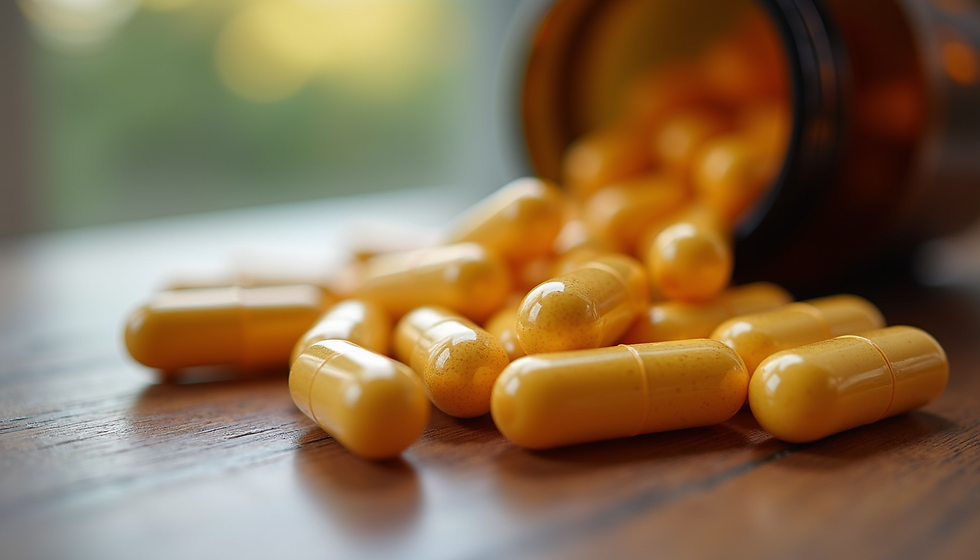
4. Consider Supplements
If you find it challenging to get enough resveratrol from food sources, consider taking a resveratrol supplement. Always consult with a healthcare professional before starting any new supplement regimen.
5. Explore Dark Chocolate
Good news for chocolate lovers! Dark chocolate contains resveratrol, along with other beneficial compounds. Choose high-quality dark chocolate with at least 70% cocoa for the best health benefits.
Potential Side Effects and Considerations
While resveratrol is generally considered safe for most people, it is essential to be aware of potential side effects. Some individuals may experience digestive issues, such as diarrhea or stomach upset, when consuming high doses of resveratrol.
Additionally, resveratrol may interact with certain medications, including blood thinners and anti-inflammatory drugs. Always consult with a healthcare professional before adding resveratrol supplements to your routine, especially if you are pregnant, nursing, or have underlying health conditions.
The Future of Resveratrol Research
As research on resveratrol continues, scientists are uncovering more about its potential benefits and applications. Ongoing studies are exploring its effects on various health conditions, including cancer, cardiovascular diseases, and neurodegenerative disorders.
The future looks promising for resveratrol, and it may become a key player in the quest for better health.
Wrapping Up the Journey with Resveratrol
Incorporating resveratrol into your diet can be a simple yet effective way to support your health. From heart health to anti-aging properties, the benefits of this powerful compound are worth exploring.
Whether you choose to enjoy a glass of red wine, snack on berries, or consider supplements, resveratrol offers a natural approach to enhancing your well-being.
As always, remember to consult with a healthcare professional before making significant changes to your diet or supplement routine. Embrace the power of resveratrol and take a step toward a healthier, happier you.



Comments